
Last updated October 16, 2026
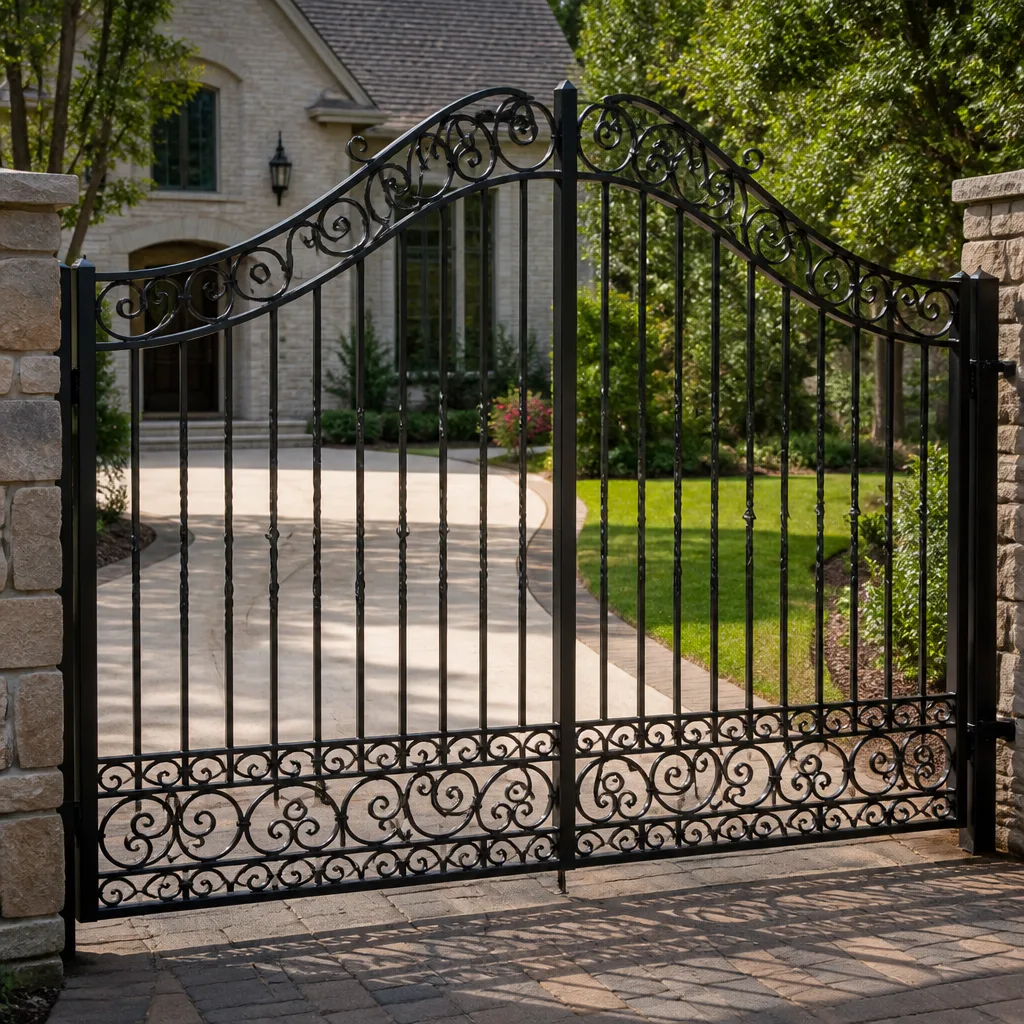 Wrought iron
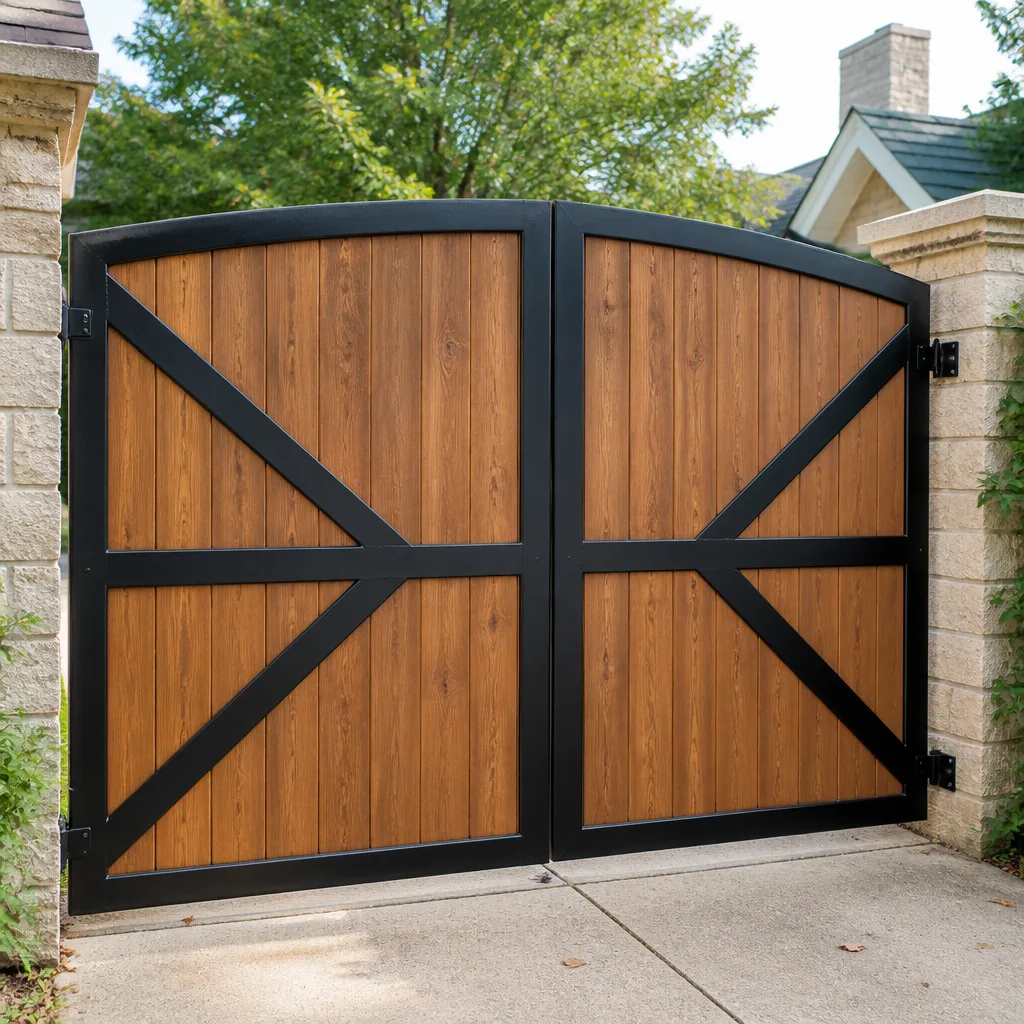 Wood & steel frame
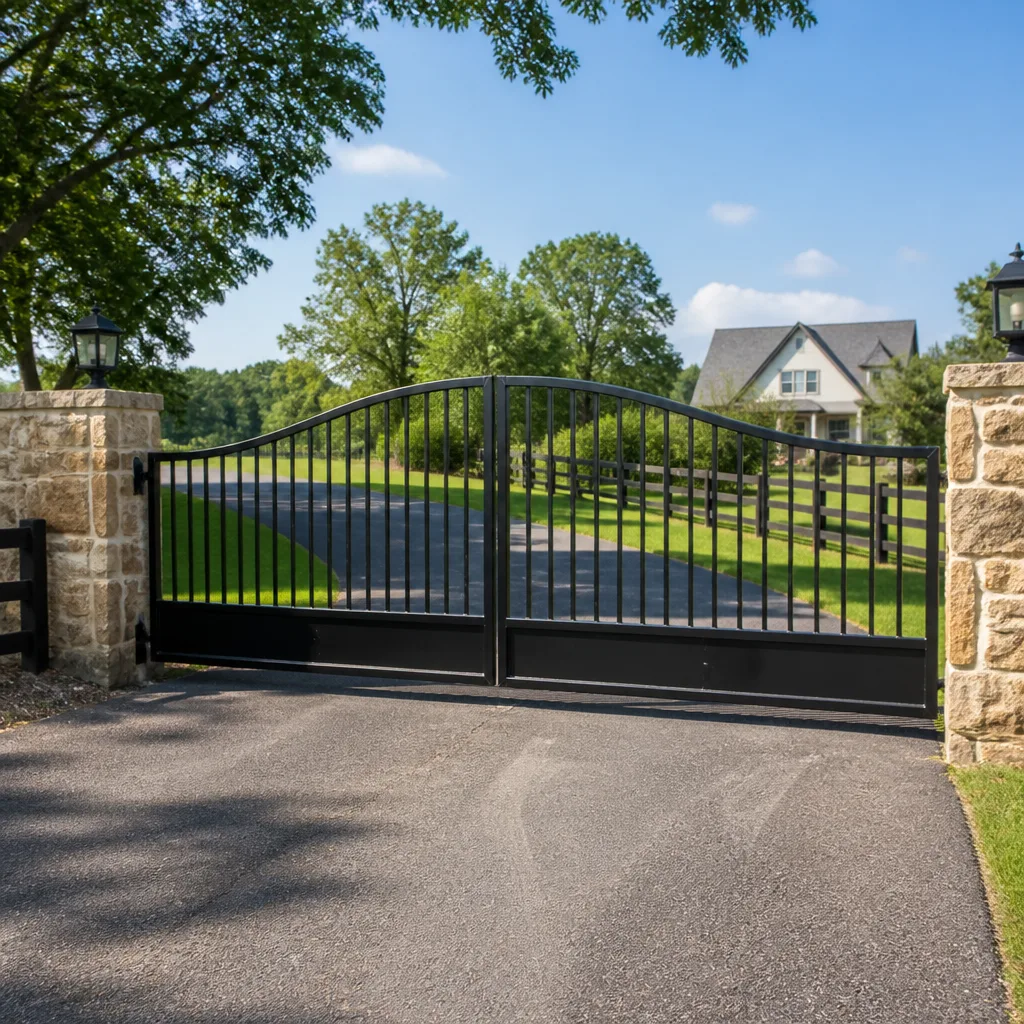 Farm & ranch
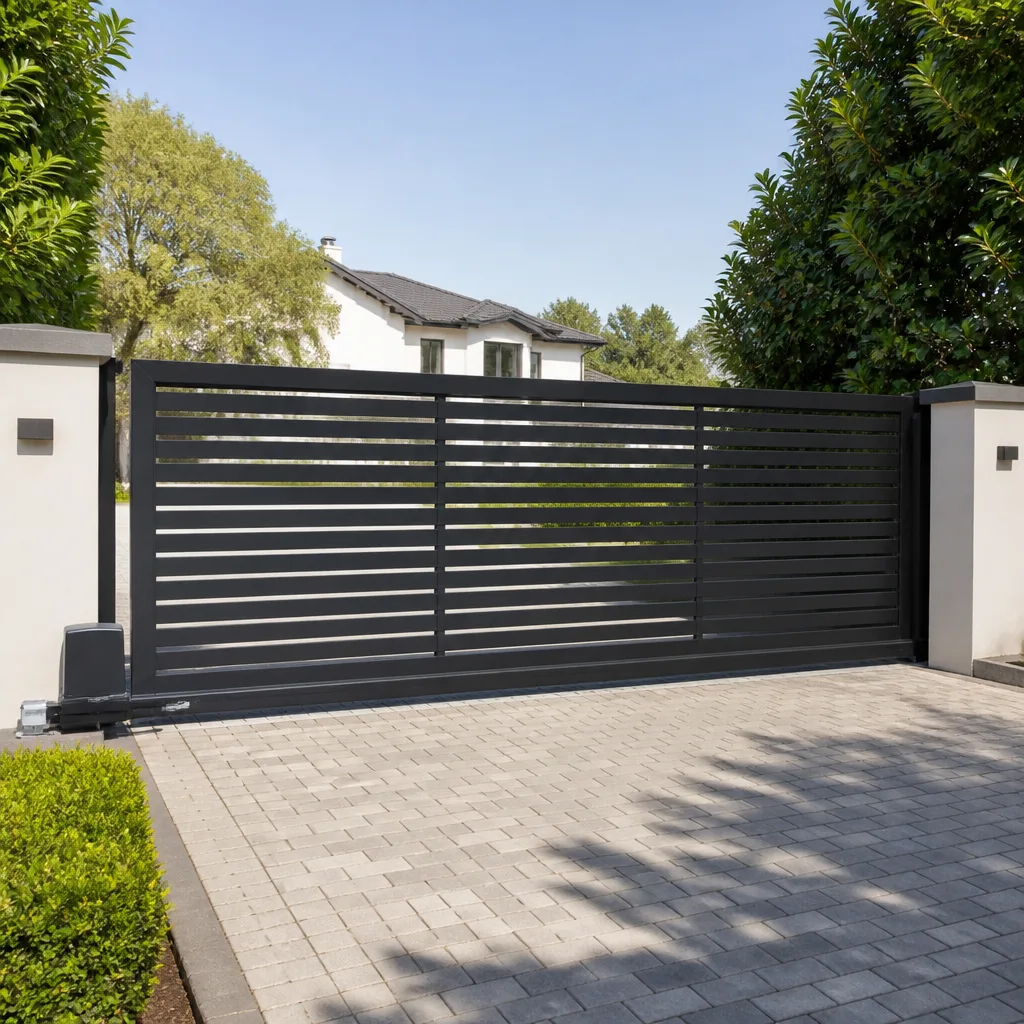 Sliding driveway gates
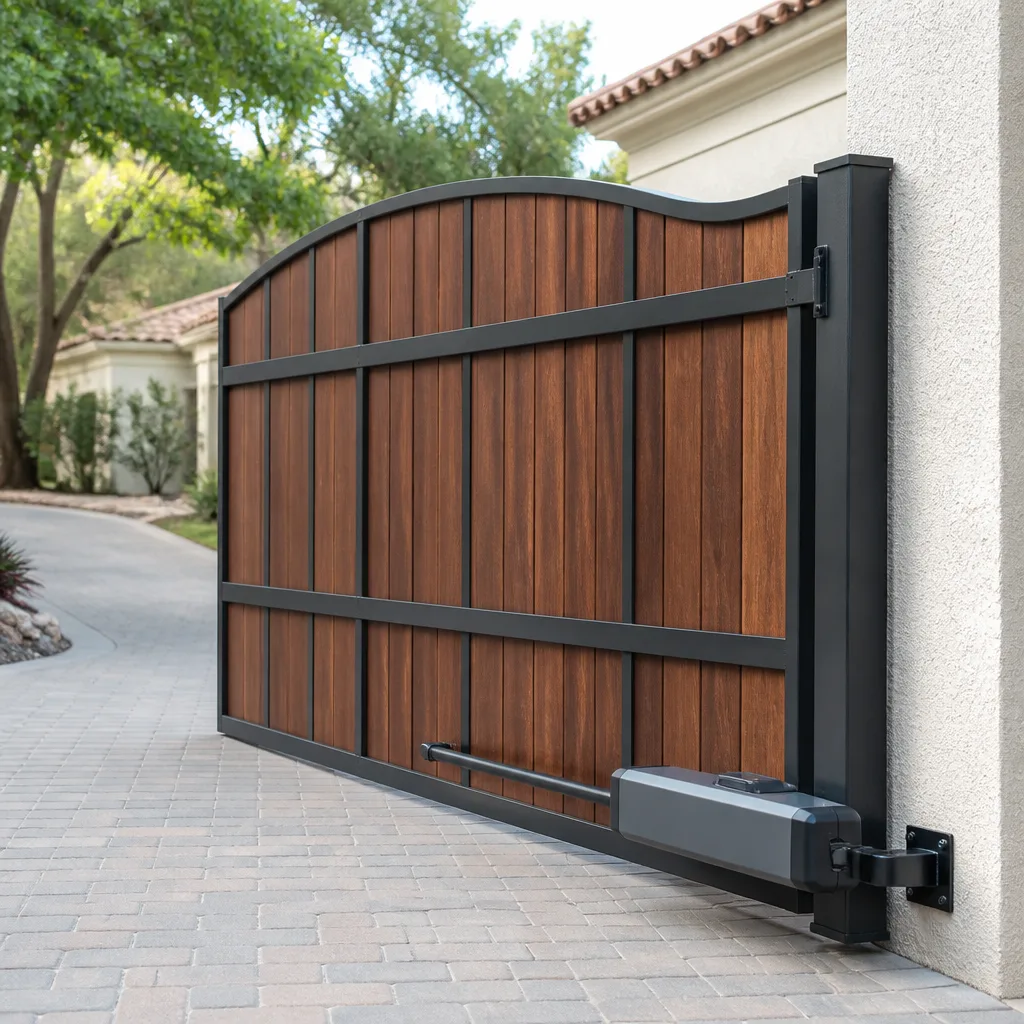 LiftMaster operators
Free on-site gate assessment - hinges, posts, and your LiftMaster or Nice gate operator checked before anything is quoted
The assessment is free and the quote is the invoice.
Get your free estimateGate Repair Permits, Codes & Inspections in CA: What You Need to Know
Most homeowners in Woodland Hills assume any gate work requires a stack of permits and weeks of waiting. The reality is narrower, but the exceptions carry more weight than people expect. A simple hinge replacement or track adjustment rarely needs city approval. A new automated operator, a new structural post, or a modification inside an HOA-governed community can trigger permits, inspections, and insurance questions that surface years later, usually when you’re trying to sell the house or file a claim. This guide explains which gate work in California falls under which rule, what UL 325 actually requires, how LA County inspections work, and where homeowners get blindsided. Lonnie Burke, owner of Carver Gate Repair Woodland Hills, has walked hundreds of local homeowners through these decisions since 2008, and the mistakes are consistent enough to map in our Gate Repair services.
Styles & brands we work with
Quick Answer
Simple gate repairs such as hinge replacement, wheel or track fixes, and bolt-on hardware work generally do not require a permit in California. Gate motor installation and any structural work on automated gates, including new posts or operator mounting, often triggers an electrical permit and a UL 325 compliance check, especially in Los Angeles County. HOA approval is a separate layer on top of city code in many Woodland Hills neighborhoods, and skipping it can create liability and insurance exposure that a permit waiver never erases.
Table of Contents
- The Real Permit Landscape for Gate Work in California
- When Gate Motor Installation Triggers an Electrical Permit in LA County
- UL 325 Compliance: What It Mandates and What Fails Inspection
- HOA CC&Rs in Woodland Hills: The Second Approval Layer
- Unpermitted Gate Work and Your Homeowner’s Insurance
- The Inspection Process for Automated Gates in LA County
- Repair vs. Replacement: Where the Permit Line Actually Sits
- Common Mistakes to Avoid
- When to Call a Professional
- Frequently Asked Questions
- The Bottom Line
The Real Permit Landscape for Gate Work in California
California building codes address gates under the umbrella of fences, barriers, and automated vehicular systems. The state does not issue a single statewide permit for gate repair. Authority sits with local building departments, which in Los Angeles County means the Department of Building and Safety (LADBS) for Woodland Hills residents. The practical result is that most repair work on existing gates never crosses a permit counter. Replacing a bent hinge, welding a cracked picket, swapping a wheel, adjusting a track, or tightening a sagging frame are maintenance activities, not new construction. No structural change, no electrical change, no permit.
The line shifts when work changes what the gate is, rather than restoring what it was. Installing a gate operator where none existed, switching from manual to automated operation, replacing the posts that support the gate, or widening the opening are material alterations. These trigger the California Building Code’s provisions for automated vehicular gates, which reference ASTM F2200 standards for gate construction and UL 325 for operator safety. In Woodland Hills, we regularly see homeowners surprised that a simple “motor upgrade” on a driveway gate now requires the same paperwork as adding a circuit to the house. For a deeper look at what to watch for, see our Gate Repair Warning Signs: A Woodland Hills Homeowner’s Reference Guide. The reason is straightforward: once a gate is automated, it becomes a machine that can injure, and the state treats it accordingly.
For a broader look at what repair work involves, our Gate Repair in Woodland Hills guide covers the actual mechanical scope, from post leveling to operator calibration.
When Gate Motor Installation Triggers an Electrical Permit in LA County
The threshold question for most Woodland Hills homeowners is simple: is the new motor a like-for-like replacement, or is it a new installation? LADBS treats a direct swap of an existing gate operator with a comparable unit as a repair, not a new installation. If the power circuit, conduit, and mounting pad already exist and the new operator draws similar current, no electrical permit is required. This is the same logic that lets you replace a ceiling fan without pulling a permit.
The exemption disappears in three situations:
- New power run: If the gate location has no existing circuit or the run needs extension, that conduit and wiring work requires an electrical permit and a licensed electrician or a contractor working under one.
- Capacity change: Upgrading from a light-duty residential operator to a higher-torque commercial operator often means a new dedicated circuit, grounding review, and permit.
- First-time automation: Adding any motor, operator arm, or control board to a previously manual gate is a new installation under code, plain and simple.
Woodland Hills has a large stock of homes built between the 1960s and 1990s, and many driveway gates from that era were never automated. Homeowners buying a gate motor kit from a big-box store and powering it with an extension cord to the garage is a real pattern we see on service calls. That installation is unpermitted, uninsured, and unsafe. A permitted installation includes proper conduit, a weather-rated disconnect, and a circuit sized for motor startup current, not just running amps.
We work on operators from FAAC, BFT, Linear, and Viking, and each brand has different electrical requirements. A Viking swing operator drawing steady current on a long driveway in the hills above Ventura Boulevard may need a heavier gauge than the box-store chart suggests. A BFT unit with a hydraulic arm has different startup characteristics than a Linear electromechanical operator. The brand matters for the permit conversation because the plan reviewer may ask for the operator’s spec sheet, and you want a technician who knows which sheet to pull.
See Gate Motor Repair in Woodland Hills for how we diagnose and repair operator issues across these brands, including when repair makes more sense than replacement for permit purposes.
UL 325 Compliance: What It Mandates and What Fails Inspection
UL 325 is the safety standard that governs automated gate operators in the United States. It is not a building code section. It is a product safety standard from Underwriters Laboratories, and it carries legal weight because California code adopts it by reference. Every gate operator sold for residential or commercial use in California must meet UL 325. More importantly for homeowners, the installation must meet UL 325, not just the operator itself.
What UL 325 requires for a compliant automated gate:
- Entrapment protection: The gate must reverse or stop when it encounters an obstruction. This is typically achieved through inherent sensing in the operator (current-sensing) plus a secondary external device such as photo eyes, contact edges, or both.
- Photo eyes or edge sensors: For most residential installations, a minimum of two monitored sensors is standard, positioned to detect a person, vehicle, or object in the gate’s path.
- Warning signage: Specific placards must be mounted on both sides of the gate, visible from both approach directions.
- Manual disconnect: A means to manually open the gate in a power failure, accessible without special tools.
- Control placement: User controls, such as keypads or push buttons, must be positioned so the user cannot reach the moving gate while operating the control.
Inspection failures in LA County are rarely about the operator itself. The operator usually carries its UL listing on the label. Failures come from the installation details: missing photo eyes, sensors mounted at the wrong height, warning signs absent, or the manual release key missing from the chain. A technician who bolts on a Viking operator without installing the external sensor package has created a code violation and a liability trap, even though the motor runs fine.
To verify your own system, look for the photo eyes first. They should be mounted near the gate’s leading edge and aligned. Second, look for the warning placards. If you can’t find them, your system is not UL 325 compliant, regardless of when it was installed. Third, test the reverse function with a trash can placed in the gate path. If the gate crushes the can rather than reversing, the safety circuit is failed or missing. Do not rely on that test alone, and do not attempt repairs on an automated gate yourself. Gates under spring or motor tension can move suddenly. A qualified technician with the right tools should handle it.
HOA CC&Rs in Woodland Hills: The Second Approval Layer
City code and HOA rules are separate legal tracks, and in Woodland Hills the HOA track often bites harder. Many communities south of Ventura Boulevard and throughout the foothills operate under CC&Rs (covenants, conditions, and restrictions) that govern exterior appearance, structural modifications, and gate style. A city permit does not override an HOA rule. Neither does a contractor’s opinion.
CC&Rs typically address gates in three ways:
- Approval requirements: Any structural change to a gate visible from the street, any height change, any material change (wrought iron to aluminum, wood to steel), and any automation work may require written approval from the architectural review committee.
- Design standards: Color, material, ornamentation, and even motor housing must match pre-approved boards. A black operator box on a tan stucco wall can trigger a violation letter.
- Noise and operation limits: Some communities restrict operator type (belt vs. chain) for noise reasons or limit hours when the gate can be set to open automatically.
The test we recommend for every Woodland Hills homeowner before structural gate work: read your CC&Rs, not the summary the title company gave you at closing. The actual document contains the enforcement teeth. A gate modification that violates a recorded covenant can lead to fines, forced reversal at your expense, and a lien on the property if left unresolved. When a listing sells, the seller’s disclosure form specifically asks about unpermitted work and HOA violations. A gate change that was never disclosed becomes a bargaining chip against you at the closing table, or worse, a post-sale claim.
In our experience, roughly two-thirds of Woodland Hills HOA-governed homes need architectural approval before any gate motor or structural change. The remaining third are in communities with permissive or absent gate rules, but you won’t know which group you’re in until you check.
Unpermitted Gate Work and Your Homeowner’s Insurance
Here is the scenario we hear about most frequently, always after the fact. A homeowner replaces a sliding gate motor with a unit bought online. No permit. Two years later, a delivery driver parks too close, the gate’s safety sensor fails, and the gate hits the vehicle. The driver files a claim against the homeowner’s policy. The insurer’s adjuster asks for installation documentation and a permit record. Neither exists. The claim is now compromised.
California insurers do not automatically deny every claim involving unpermitted work, but they have a clear opening to reduce or contest coverage when the unpermitted modification contributed to the loss. If an automated gate injures a person, the liability exposure runs into six figures. An insurer that can show the gate was installed outside code has stronger leverage to deny the claim or subrogate against the homeowner. The contractor who skipped the permit is rarely named in that insurance fight, because the insurance claim is against the property owner, not the installer.
The practical guidance is blunt. If you are automating a gate or making structural changes, pull the permit. If you purchased a home with an automated gate and no documentation, get an inspection now, before any incident, and document the remediation. A gate safety inspection that uncovers missing UL 325 components and results in correction is a defensible position in an insurance adjuster’s eyes. An inspection that never happened is not.
We also tell homeowners that insurance companies increasingly ask about automated gate features at policy renewal. A gate with an operator and no exterior safety sensors is a flagged item. Retro-fitting sensors on an operator from FAAC, BFT, or Linear is straightforward for a technician who carries the right sensor kits, and it changes the insurance conversation from a surprise to a disclosure.
The Inspection Process for Automated Gates in LA County
If your gate project requires a permit, the LA County inspection process follows a predictable sequence. Here is what actually happens, in order:
- Permit application: Your contractor or electrician files with LADBS, including the operator spec sheet, a simple site plan showing gate location and power source, and the electrical load calculation.
- Plan review: For most residential gate permits, the review is over-the-counter or within a few days. The reviewer checks for UL 325 compliance components in the submitted package.
- Rough inspection: The inspector looks at the conduit run, circuit size, disconnect location, and operator mounting before anything is closed up. This is the step that catches undersized conduit and missing grounding.
- Final inspection: The inspector tests the entrapment protection, verifies warning signs, checks control placement, and confirms manual release operation. This is the UL 325 compliance check in action.
- Certificate of occupancy or final sign-off: The permit record is closed out with LADBS, and you now have documentation that survives a sale or an insurance question.
Typical timelines for a residential gate permit in Woodland Hills run two to four weeks from application to final sign-off, assuming no plan corrections. Emergency repair work that is like-for-like does not require this sequence and can proceed immediately. The confusion comes when a homeowner frames a new installation as an “emergency” to bypass the permit, then tries to sell the house five years later without paperwork. LADBS records don’t disappear, and the lack of a permit is discoverable.
If you’re considering a full replacement rather than a repair, see Gate Installation in Woodland Hills for what a permitted, code-compliant installation includes from start to finish.
Repair vs. Replacement: Where the Permit Line Actually Sits
The largest area of ambiguity for homeowners, and the one where contractors give conflicting answers, is the repair-versus-replacement boundary. Here is the practical rule we use in Woodland Hills: if the work restores the gate to its previous function without changing its structure, automation status, or electrical characteristics, it is a repair and requires no permit. If the work changes any of those three things, it is an alteration and may require one.
Concrete examples from the field:
- Replacing a snapped cable on a slide gate: Repair. No permit. The gate’s function and safety profile are unchanged.
- Replacing a bent post that supports gate hinges: Structural. This falls under the building code’s provisions for fences and posts. Most LA County inspectors treat a same-size, same-material post replacement as a repair, but a larger post or a new footing is an alteration.
- Swapping a Linear operator for a newer Linear operator of the same class: Repair. No electrical permit. The circuit and safety devices are unchanged.
- Swapping a Linear operator for a Viking operator with different current draw and a new control board: Gray zone. If the circuit is adequate and the safety package is retained, most inspectors call it a repair. If the circuit needs upgrading, it becomes electrical work with permit.
- Adding a keypad, loop detector, or intercom to an existing automated gate: Low voltage work. Generally exempt from electrical permit, but the UL 325 compliance of the control system still applies.
- Replacing an entire manual gate with a new gate of identical size and material: Some jurisdictions treat this as maintenance, others as new construction. LA County has historically leaned toward repair when the posts remain and the footprint is unchanged.
If a contractor tells you “no permit needed” without asking about circuit size, operator type, or HOA status, that is not expertise. That is a sales answer. For help vetting your contractor properly, read our How to Hire a Gate Repair Contractor in Woodland Hills: A Step-by-Step Guide. The correct answer depends on the specifics of the existing installation, and a diligent technician checks before the work starts.
Common Mistakes to Avoid
- Letting a contractor decide the permit question for you. The contractor is not liable for the unpermitted work five years later; you are. Ask to see the code reference or permit office call that supports their answer.
- Confusing an HOA approval with a city permit. They are different authorities with different consequences. An HOA letter does not satisfy LADBS, and a city permit does not satisfy your architectural committee.
- Assuming a UL-listed operator makes the installation compliant. The operator label is not the same as the installation. Missing photo eyes, wrong sensor height, and absent warning signs fail inspection even with a brand-new Viking or BFT unit on the post.
- Skipping the permit on a first-time motor installation to save a few hundred dollars. The permit cost is trivial compared to the insurance exposure and the sale-price hit when the gate’s automation history is undocumented.
- Testing entrapment protection by hand. Never place a hand or any body part in a gate’s path to test the reverse function. Use an inanimate object like a trash can. Gates under motor force can injure even at low speed.
- Buying a gate operator online and powering it from a garage outlet. We see this exact setup in Woodland Hills more than any other code violation. Extension cords, missing disconnects, and undersized circuits create fire and shock hazards, not just gate hazards.
- Not documenting post-repair compliance. After any gate motor work, ask for a written confirmation that the system’s UL 325 safety devices are present, tested, and functional. If the technician won’t put it in writing, find another technician.
When to Call a Professional
If your gate involves a motor, spring tension, or structural posts, this is not a weekend project. Automated gate operators store energy in springs, cables, and gearboxes, and that stored energy makes sudden, unexpected movement a real possibility during repair work. A gate panel that weighs 400 pounds does not need to be moving fast to break a hand or worse. The safe move is to bring in a technician who works on these systems daily. Carver Gate Repair Woodland Hills offers free estimates in Woodland Hills. We show up with the code knowledge, the brand-specific parts for FAAC, BFT, Linear, and Viking operators, and a written price before any work starts. Call (650) 719-7207 to schedule.
If you’re at the start of a larger project, Carver Gate Repair Woodland Hills home has the full scope of what we handle, from simple hinge work to complete automated systems.
Frequently Asked Questions
Simple mechanical repairs such as hinge replacement, wheel or track work, and bolt-on hardware fixes do not require a permit in California. Structural changes, first-time motor installation, or new electrical runs for an automated gate generally do require a permit through your local building department. In Woodland Hills, that means LADBS. If you’re unsure which category your job falls into, call Carver Gate Repair Woodland Hills at (650) 719-7207 and we’ll tell you straight, with no charge for the answer.
Residential electrical permit fees for a gate operator in LA County typically run from $150 to $400, depending on the scope of the electrical work and plan review time. This is separate from the cost of the operator and labor. The permit protects you from insurance disputes and resale problems that far exceed that fee. Call (650) 719-7207 for a free estimate on the full installation, including the permit work.
A like-for-like motor replacement on an existing automated gate can often be completed the same day in Woodland Hills, provided the operator is in stock and the electrical circuit is adequate. New installations requiring permits and inspections follow a longer timeline, typically two to four weeks. Carver Gate Repair Woodland Hills keeps common parts for FAAC, BFT, Linear, and Viking operators on our trucks. Call (650) 719-7207 and a live person will answer, 24/7.
UL 325 is the safety standard for automated gate operators, and California code requires every automated gate installation to comply with it. It mandates entrapment protection such as photo eyes or contact edges, warning signs, manual release capability, and safe control placement. A gate that runs fine but lacks these safety devices is a code violation and a serious liability exposure, regardless of whether the operator carries a UL listing. We can inspect your system and confirm compliance in one visit. Call (650) 719-7207.
Routine repairs that don’t change the gate’s appearance, structure, or operation usually don’t require HOA approval. Structural changes, material changes, or adding a gate motor almost always trigger an architectural review requirement under Woodland Hills CC&Rs. Check your recorded CC&Rs, not a summary sheet, before any structural work. We’ve helped homeowners in communities across Woodland Hills navigate that review process, and we know which questions the committees ask.
The unpermitted gate becomes a disclosure issue in the sale. California’s seller disclosure requirements ask specifically about unpermitted work, and a buyer who discovers an unpermitted automated gate after close can pursue remedies. At minimum, the gate’s presence weakens your negotiating position. The fix is to get the gate inspected, pull the permit retroactively where possible, and document the compliance work before listing. Call (650) 719-7207 for a free assessment of your gate’s permitting status.
The Bottom Line
California gate permitting is narrower than feared and deeper than assumed. Simple repairs require nothing. Automation and structural changes require attention, and in Woodland Hills, the HOA layer sits on top of the city layer with its own enforcement power. UL 325 compliance is the hidden gatekeeper for automated systems, and the absence of photo eyes or warning signs can fail an inspection even when the motor is brand new. The cheapest permit question to answer is the one you ask before work starts. The most expensive is the one you answer for an insurance adjuster or a buyer’s attorney after the fact. Document everything, verify safety devices exist and work, and use a technician who carries the parts and the code knowledge for your specific gate system. For more guides & resources, visit our blog.
Written by Lonnie Burke, Owner at Carver Gate Repair Woodland Hills, serving Woodland Hills since 2008.
See the difference
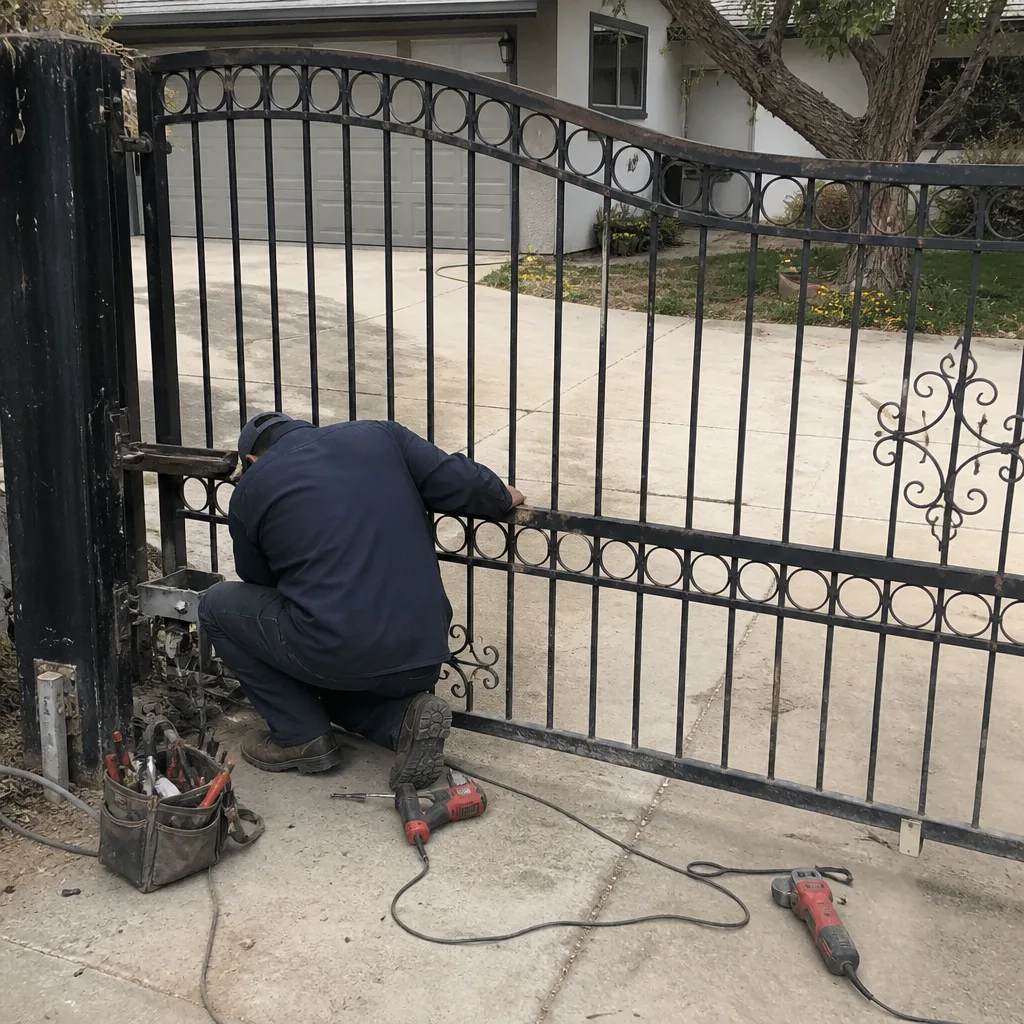 Before
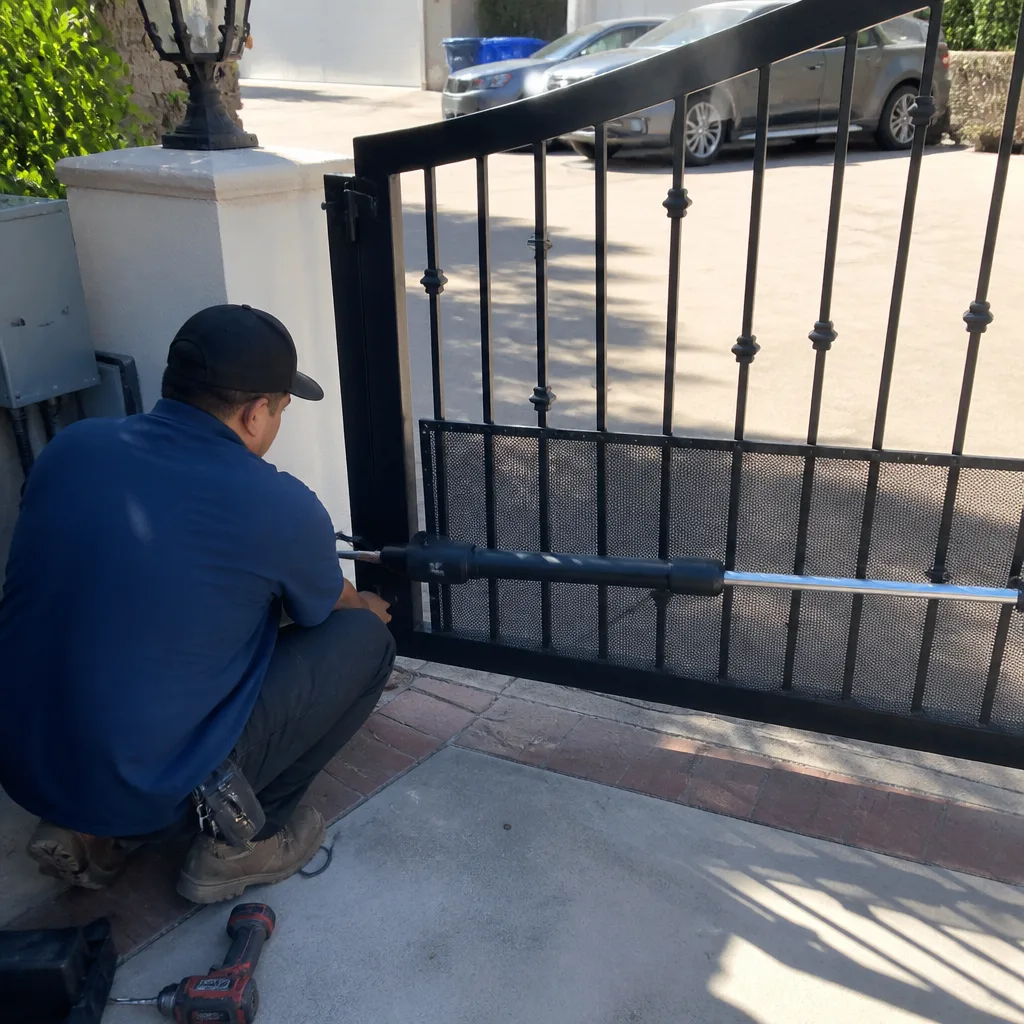 After
After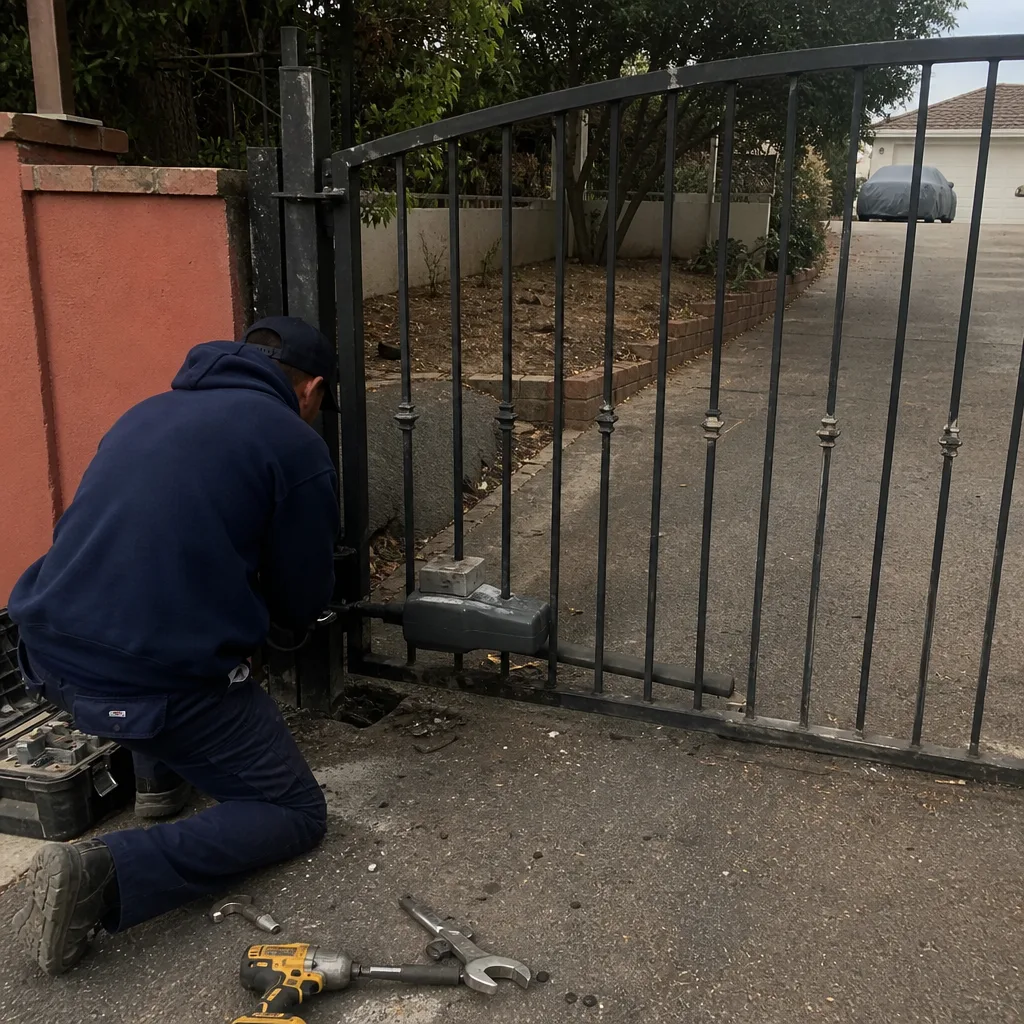 Before
 After
After Before
 After
After