
Last updated October 16, 2026
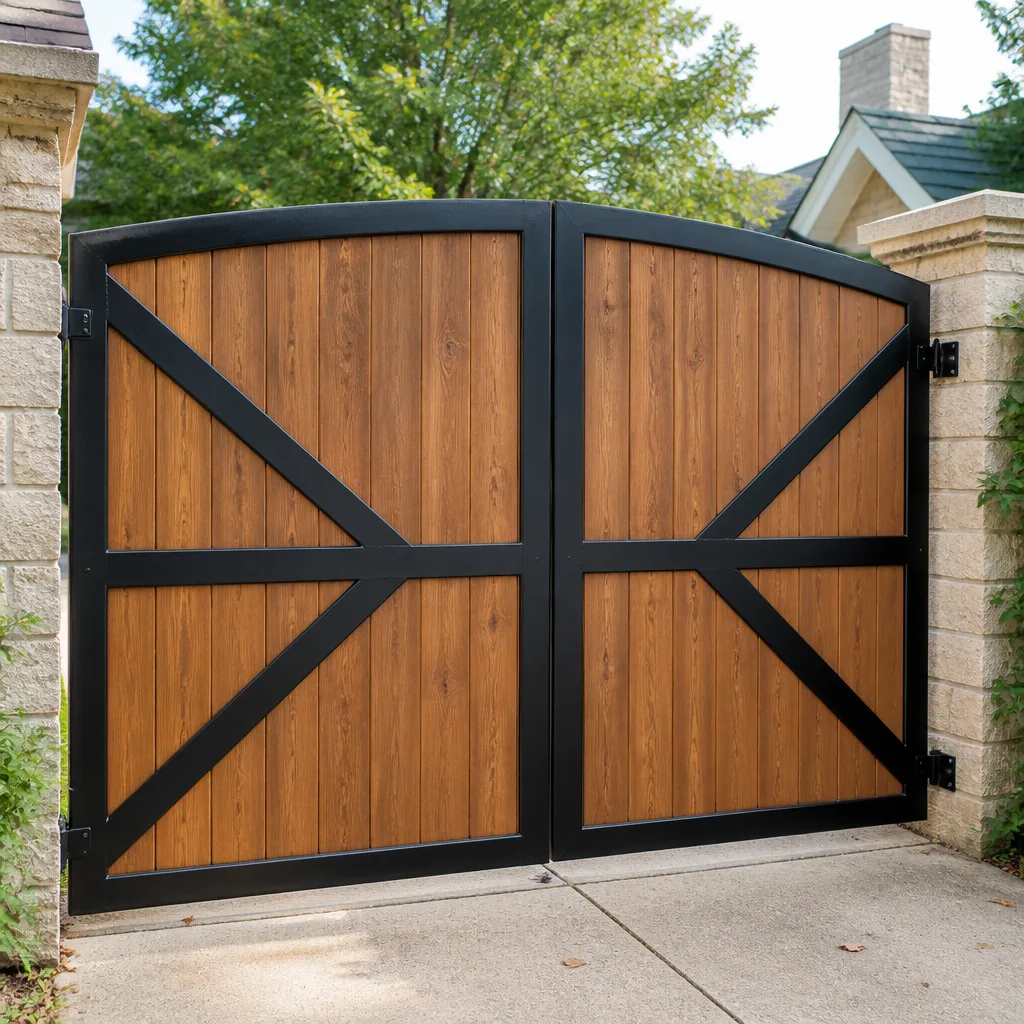 Wood & steel frame
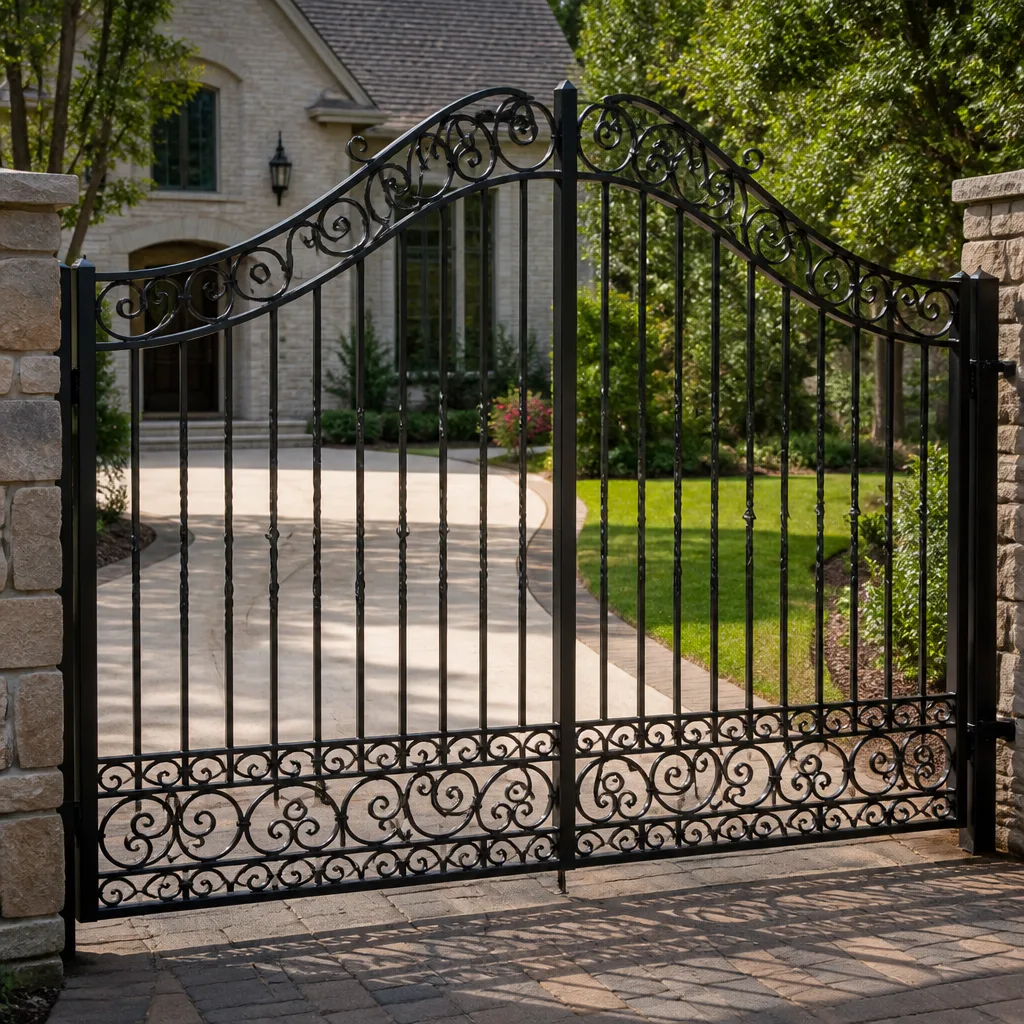 Wrought iron
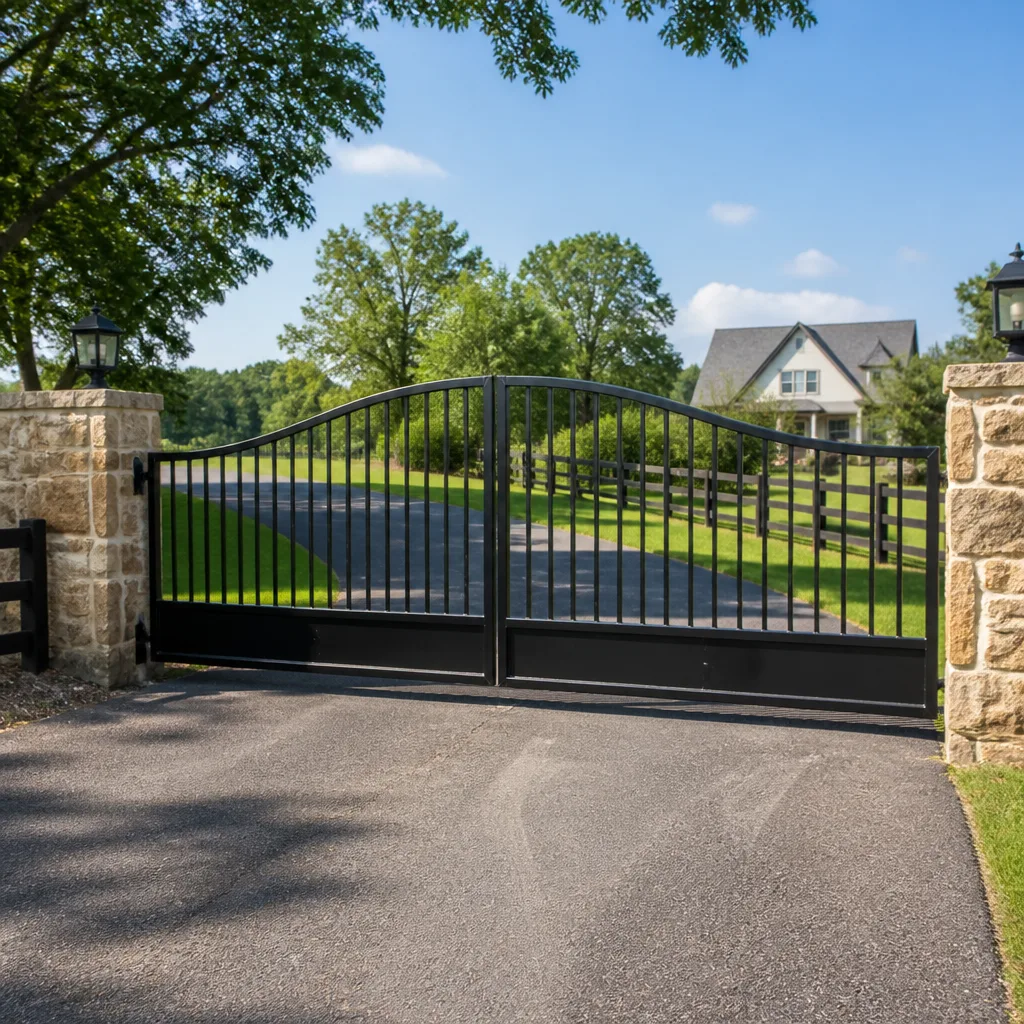 Farm & ranch
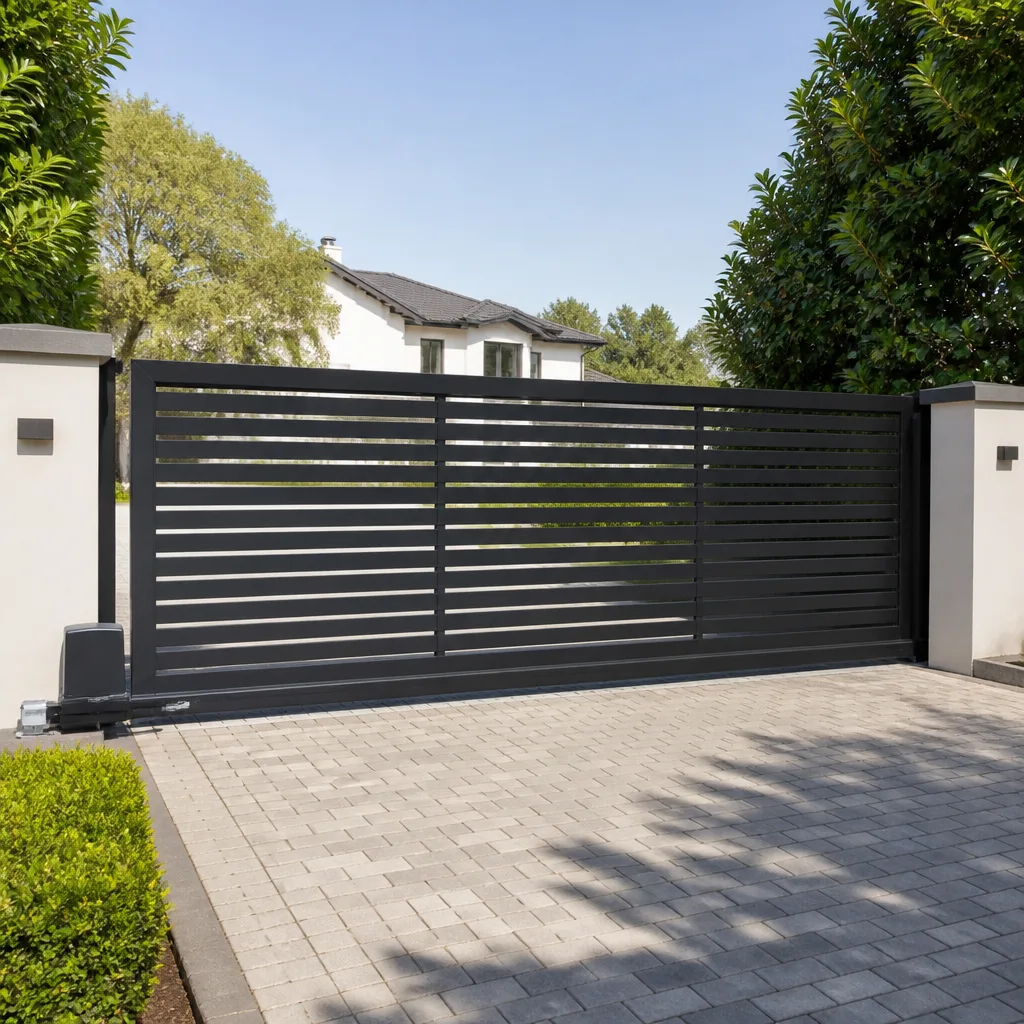 Sliding driveway gates
 LiftMaster operators
Free on-site gate assessment - hinges, posts, and your LiftMaster or Nice gate operator checked before anything is quoted
The assessment is free and the quote is the invoice.
Get your free estimateGate Repair Warning Signs: A Woodland Hills Homeowner’s Reference Guide
Most Woodland Hills homeowners don’t get surprised by a dead gate. They get surprised by the bill that comes after they ignored six months of smaller warnings. A gate is a simple machine with only a few ways to fail, and every one of those failures announces itself mechanically before it goes final. The problem is that nobody taught homeowners what a failing hinge sounds like, or what a dying capacitor smells like, or why a gate that opens fine but closes halfway is telling you something specific about the limit switch. This guide is built to fix that. By the time you finish, you’ll know which warning signs mean “schedule a repair this week” and which mean “stop using the gate tonight.”
Quick Answer
The most common gate repair warning signs in Woodland Hills are a gate that slows down mid-travel, grinds or clicks during operation, hesitates before moving, opens on its own, or stops halfway. Any of these means a component is failing under load, and catching it early usually means a $150-$400 repair instead of a $1,200-$3,500 operator replacement. A gate that makes a repeated clicking sound and won’t move at all usually points to a bad capacitor or control board, while a gate that moves but sounds rough usually points to mechanical wear in hinges or wheels.
Styles & brands we work with
Table of Contents
- Sound-Based Diagnostics: What Your Gate Is Telling You
- Movement-Based Diagnostics: Reading the Arc
- Control System Warnings: Sensors, Boards, and Ghost Activation
- Five Warning Signs That Mean Stop Using the Gate Today
- Warnings That Allow a Scheduled Repair Window
- How to Document Warning Signs on Video Like a Technician
- What Woodland Hills Climate and Terrain Do to Gates
- Common Mistakes to Avoid
Sound-Based Diagnostics: What Your Gate Is Telling You
Sound is the single most reliable early-warning system a gate has. Every component in a gate system has a normal operating sound and a failure sound, and the difference between them is usually distinct enough to describe over the phone to a technician. In our experience, the majority of expensive failures we see in Woodland Hills could have been caught weeks earlier if the homeowner had known what a specific sound meant.
Here is what specific sounds indicate, broken down by component:
- Grinding or scraping: This is almost always mechanical, not electrical. It means metal is moving against metal where it should not be. Common culprits are worn hinge bearings on a swing gate, a bent track or worn wheels on a sliding gate, or a chain that has come off a sprocket. The sound will usually be rhythmic, matching the gate’s movement speed. If it only happens in part of the travel, the wear is localized. If it happens through the full arc, the wear is systemic.
- Clicking: A single click when the gate is told to open but does not move is the sound of a relay or contactor trying to close. It means the control board is receiving the signal and attempting to engage the motor. The motor is not responding, which usually means a bad capacitor, a seized motor, or a broken connection between the board and the motor. A repeated clicking in rapid succession is different: it often means the board is being told to operate by a failing limit switch or a short in the control wiring, and the board is cycling.
- Humming: A low, constant hum with no movement means the motor is getting power but cannot turn. The most common cause on a swing gate is a seized gearbox or a jammed articulating arm. On a sliding gate, it is usually a motor capacitor that has failed, or debris wedged in the track. A hum that lasts more than three or four seconds should be treated as urgent: the motor is pulling locked-rotor current, which overheats windings fast.
- Squealing: A high-pitched squeal that rises in pitch as the gate moves is usually a belt slipping on a pulley, or a bearing that is dry and running hot. Belt-driven operators are common on Viking and older DoorKing units. A dry bearing will squeal for weeks before it seizes, so the repair window is real but not unlimited.
- Thumping or knocking: A regular thump as the gate moves is usually a wheel with a flat spot on a sliding gate, or a hinge with excessive play on a swing gate. The sound will match the rotation, so it will speed up and slow down with the gate. It means a component is loose enough to shift under load, and that component is wearing faster with every cycle.
One useful habit: stand near the operator housing and use your phone to record ten seconds of audio during a full open cycle and a full close cycle. When you call a repair service, play it for the person on the phone. A good technician can identify a failing gearbox or a bad capacitor from a ten-second recording, and the recording gives them a reason to carry the right parts on the first truck roll.
Movement-Based Diagnostics: Reading the Arc
Watching how a gate moves tells you more than you might expect, and you do not need any tools to do it. The key is to watch the gate as a single system, then separate what the motor is doing from what the structure is doing. Here is how to read the major movement patterns:
The Hesitation Open
A gate that pauses for a second or two after you press the remote, then lurches into motion, is showing you a motor working against abnormal resistance. The resistance is usually in the hinges, the track, or the gearbox. The motor has enough torque to overcome it now, but it is pulling higher current to do it, and that current generates heat. Heat is what kills motors. A gate that hesitates for two seconds before opening is not “a little slow”: it is a motor being asked to work harder than it was designed to, and the failure will usually arrive within 60 to 90 days if the underlying resistance is not found and corrected.
Slow Mid-Travel, Normal at the Ends
If the gate starts strong, slows noticeably through the middle of its travel, then picks up speed near the end, the issue is usually mechanical binding in the middle of the range. On a sliding gate, this means track damage or wheel wear in the center section, where most of the traffic load sits. On a swing gate, it can mean a sagging hinge or a post that has shifted out of plumb. The motor is struggling through the section where geometry is worst. This pattern is specific and useful: tell the technician that the slowdown happens mid-travel, not across the whole arc, and they will know where to look first.
Jerky or Stepped Motion
A gate that moves in small lurches rather than a smooth sweep is usually showing you gear wear inside the operator. Worn gear teeth do not mesh cleanly, so the gate catches and releases as the teeth slip past each other. On a swing-gate operator with an articulating arm, jerky motion can also mean a worn arm joint with slop in it. The longer this continues, the more damage the slipping teeth do to each other, and gearbox replacement is significantly more expensive than the initial gear repair would have been.
The Gate Runs Past the Limit
If the gate opens fully and then keeps grinding for a second or two against the open stop, or if it closes and the motor continues to run after the gate has stopped moving, the limit switch or limit cam has failed or drifted. The motor does not know the gate has arrived, so it keeps driving. On chain-driven operators, this can pop the chain or bend the gate frame. On any operator, it means the motor is running against a physical stop, which is pure heat stress. This one is a stop-using-the-gate-today warning if the overtravel is more than an inch or two.
One-Sided Slowness
A gate that opens at normal speed but closes at half speed, or vice versa, points to a directional problem rather than a general wear problem. Possible causes include a failing reversing edge or photo-eye that makes the board slow the gate on approach to the close limit, a partially failed capacitor, or a mechanical issue that binds in only one direction. This pattern is worth documenting on video, because the asymmetry is itself diagnostic.
Control System Warnings: Sensors, Boards, and Ghost Activation
Control system failures scare homeowners more than mechanical ones because they look random. A gate that opens by itself at 3 a.m. feels like a security breach. In most cases, it is a failing sensor or a board issue, not an intruder. Here is how to separate the two categories and figure out what you are dealing with.
Intermittent Response
If the gate sometimes responds to the remote and sometimes does not, but a second press almost always works, the issue is usually in the radio receiver, the remote battery, or the antenna placement. On a Linear or Ghost Controls system, the receiver is often a separate unit wired to the control board: if the receiver is failing, the symptom is exactly this intermittent behavior. A control board problem would usually show different symptoms, like the gate responding to the keypad but not the remote, or resetting its settings. Replace the remote battery first, then test with each remote individually, then check the receiver.
Delayed Response
A gate that consistently takes two or three seconds to respond after the remote button is pressed, even when the remote has a new battery, is usually showing a receiver that is losing sensitivity. Some receivers drift as their components age. The fix is often a receiver or antenna adjustment, and it is worth doing before the failure becomes total. A board that is failing can also show delayed response, but it will usually be accompanied by other symptoms: settings that change on their own, a display that flickers, or a gate that forgets its remotes.
Ghost Activation
Ghost activation is when the gate operates without any input from a remote, keypad, or sensor. In our experience, the causes are, in order of frequency: a failing photo-eye, a loop detector picking up interference, a stuck remote button somewhere in the car or house, or a control board with a failing input circuit. The photo-eye is the first thing to check, because a dirty lens or a misaligned beam can cause the board to think a vehicle has broken the beam. The second check is wandering around the property pressing every remote to see if one is stuck. The third is disconnecting the loop detector temporarily to see if the ghosting stops. If all three are ruled out, the board itself is suspect.
Safety Edges and Photo-Eyes
The reversing edge on a swing gate and the photo-eyes on a sliding gate are safety devices, not convenience features. When they fail, the failure is dangerous: a gate that reverses on nothing, or worse, fails to reverse on contact. If the gate reverses for no reason, check for debris in front of the photo-eyes, a bent photo-eye mount, or a torn reversing edge. If the gate does not reverse when it hits something in its path, stop using it immediately and call a professional. That is not a convenience failure, it is a safety failure.
Five Warning Signs That Mean Stop Using the Gate Today
Most gate repairs can wait a week. A few cannot. Here are the five patterns that should make you stop using the gate until a technician has looked at it. These are not overstatements: each one represents a risk of injury, property damage, or a small repair turning into a full operator replacement.
- The gate reverses on a person or vehicle, or fails to reverse when it should. The safety system is compromised. A gate that continues to drive against an obstacle is a crushing hazard. Shut off the power to the operator and lock the gate in position until it is repaired.
- The motor hums continuously with no movement. Locked-rotor current is running through the windings, and it only takes a few cycles of this to cook a motor. Each time the gate is asked to move and fails, the damage compounds.
- The gate runs past its limit and keeps grinding against the stop. The limit switch has failed, and the motor is pressing a thousand pounds of gate against a physical stop. This bends frames, pops chains, and shreds gears.
- You smell burning from the operator housing. A burning smell means insulation is overheating, a capacitor is venting, or a board component has already failed. The smell rarely appears without permanent damage underway. Kill the breaker and call a technician.
- A hinge, wheel, or post is visibly broken, cracked, or displaced. The gate’s structural support has failed. The motor will continue to drive the gate, but the gate is no longer traveling in a controlled path. A swing gate with a broken hinge can fall on a person. A sliding gate with a cracked wheel can derail and tip.
For any of these five, cut power to the gate operator. If the gate is a swing gate, chain or strap it closed so it cannot be moved by hand. Then call a gate repair service in Woodland Hills and describe the symptom directly. You will save money by describing it accurately on the phone.
Warnings That Allow a Scheduled Repair Window
Some warning signs are real but not urgent. These are the ones that allow you to book a repair during normal business hours, and the repair will almost always be less expensive than if you wait. Here is what you can safely schedule:
- Light grinding or scraping that has been present for weeks and has not worsened. The wear is gradual. Book the repair within one to two weeks. The longer it goes, the more metal you lose from the hinges or wheels, and the more likely the repair grows from a lubrication-and-adjustment job to a parts replacement.
- A gate that is slightly slower than it used to be, but still opens and closes fully. If the movement is smooth and complete, you have a window. The motor is working harder than it should, but it is not at failure. Two to three weeks is generally safe.
- Intermittent remote response. If the gate works on the second press, the system is functional. Replace remote batteries. If the problem persists, schedule a receiver diagnostic. This one is annoying but not dangerous.
- A slow drift in the close position, meaning the gate does not close fully against the stop. The limit switch may need adjustment. This is a one-visit fix. It can wait a week without meaningfully increasing the repair scope.
- Cosmetic rust on hinges or track hardware. Rust is progressive but slow in Woodland Hills unless the hardware is in constant contact with irrigation overspray. Clean and inspect. If the rust is surface-level, treat it. If it has pitted the metal, schedule replacement.
The difference between this list and the stop-today list is simple: these five patterns do not represent a safety hazard, and the damage is not compounding rapidly. They still cost more if ignored for months, but they do not become emergencies overnight.
How to Document Warning Signs on Video Like a Technician
A good video saves you money. We have diagnosed gearboxes, limit switches, and board failures from 15-second clips that meant a one-trip repair instead of two trips. Here is how to film a gate problem so that a remote or on-site technician gets the information they need to pre-stage parts.
- Film the full travel, from the side, with the gate and the operator both visible. Stand far enough back that the entire gate is in frame for a swing gate, or the full length of the track for a sliding gate. The technician needs to see the gate’s speed, smoothness, and position at rest.
- Record audio from your normal position. Do not narrate over the sound. The technician needs to hear the grinding, clicking, humming, or squealing without your voice on top of it. Film one full open and one full close cycle in silence.
- Film the operator housing during operation. Get close enough that the model name or badge is visible. The brand and model tell the technician which parts are likely in the unit before they arrive. This is particularly useful on Linear and Viking operators, where the same symptom can have different causes across model lines.
- Note the conditions. If the problem only happens when it is cold, or only after rain, say so. Woodland Hills temperature swings are mild compared to the Valley floor, but a morning-cold symptom versus an all-day symptom is still useful diagnostic information.
- Keep the clip under 45 seconds. A technician does not need five minutes of gate footage. The relevant information is in the first full cycle. Shorter videos are easier to send and easier to review.
Send the clip when you request a quote. A shop that asks for video is a shop that is planning its truck stock before it arrives. A shop that does not want the video is planning to diagnose on site, charge you for the visit, and return later with parts.
What Woodland Hills Climate and Terrain Do to Gates
Woodland Hills is not the harshest climate in Southern California, but it has specific conditions that affect gate hardware in predictable ways. Knowing these helps you understand what is normal wear and what is a warning sign.
The dry heat of summer and the temperature swings between day and night put steady thermal stress on gate electronics. Control boards mounted inside operator housings that get direct afternoon sun can run hot enough to shorten component life. We see boards in west-facing operator boxes fail earlier than identical boards in shaded or east-facing installations. This is a placement problem more than a quality problem, and it is one reason we recommend an awning or shade structure over the operator housing on any new gate installation in Woodland Hills.
The wind is another underappreciated factor. Woodland Hills sits near the western edge of the San Fernando Valley, and the afternoon winds that come through the passes load swing gates laterally. A swing gate is a large sail. A gate that has solid panels rather than open pickets catches significantly more wind, and that wind load translates into stress on hinges and operators. Hinges wear faster, operator arms cycle more often, and the gate’s geometry shifts over time. If your gate faces the prevailing wind, expect hinge and operator wear to arrive earlier than it would on a sheltered street.
Dust is the third factor. The dry conditions put fine dust into the air, and that dust settles into gearboxes, track rollers, and chain systems. Grease holds dust, and the mixture becomes abrasive paste. A track roller packed with dust-laden grease wears faster than one running clean. Annual cleaning and re-lubrication is not optional maintenance in this part of the Valley, it is the difference between a 10-year hinge and a 6-year hinge.
One more local note: the hillside neighborhoods in Woodland Hills, like the streets south of Ventura Boulevard that climb into the Santa Monica Mountains, often have driveways with steeper grades than the flatter sections north of the Boulevard. A gate on a slope works against gravity on every open cycle, and against gravity plus the operator’s resistances on the close. Motors on sloped driveways run hotter and fail earlier than the same motor on a flat lot. If your gate is on a grade, take sound and speed warnings more seriously, not less.
See the difference
 Before
 After
After Before
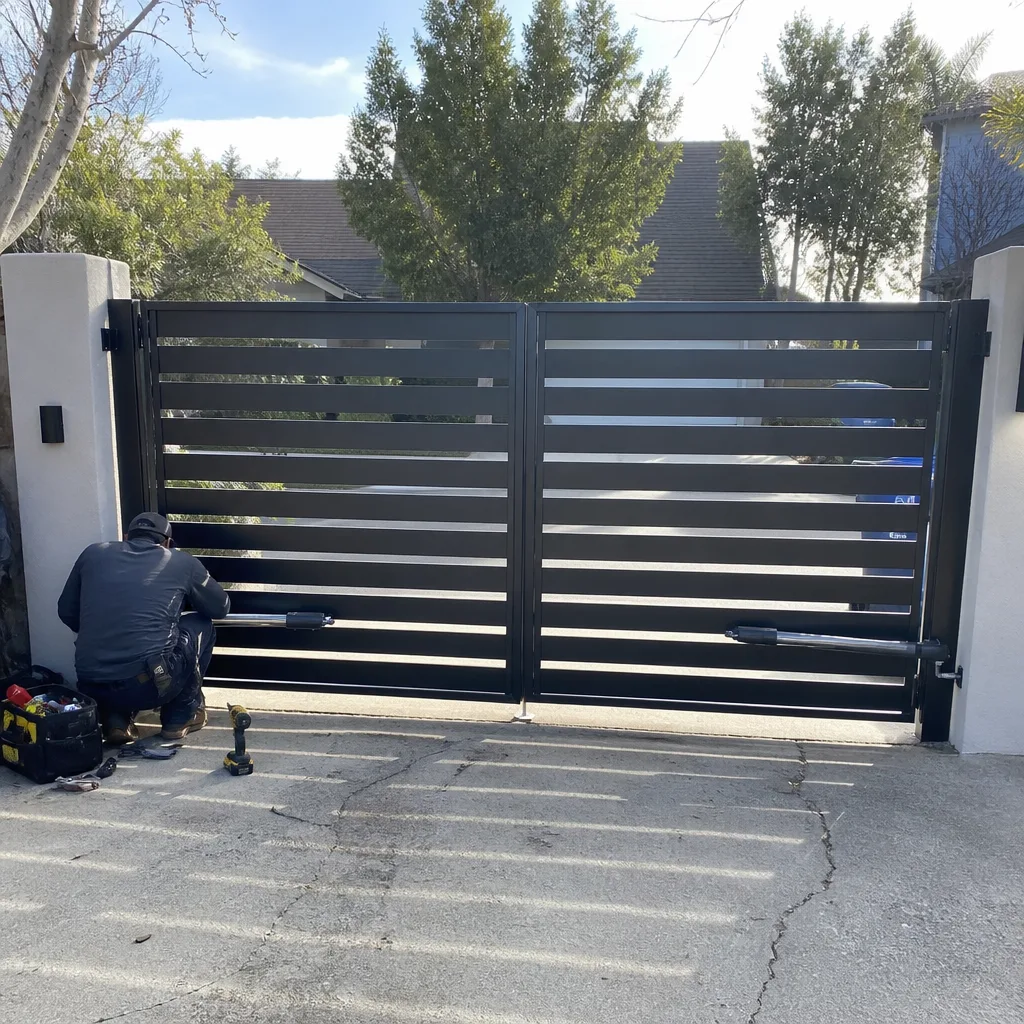 After
After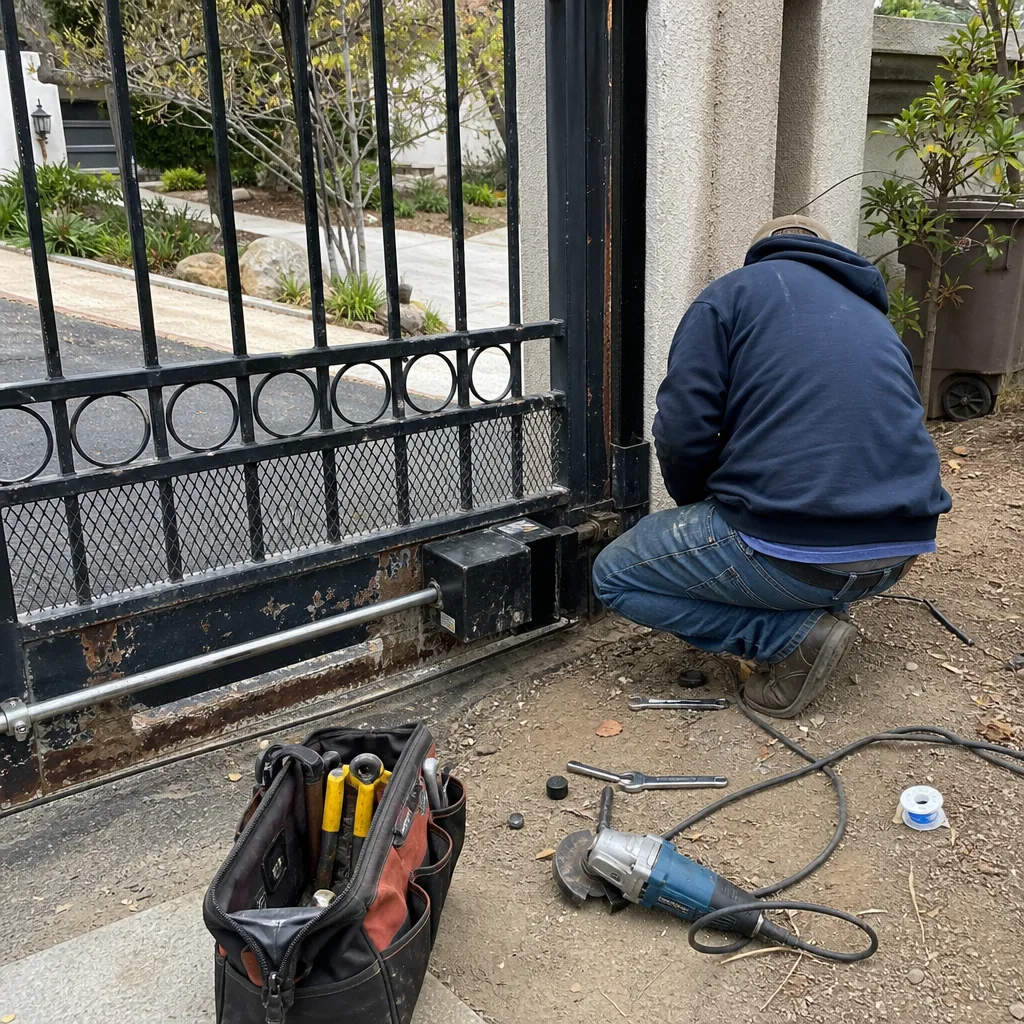 Before
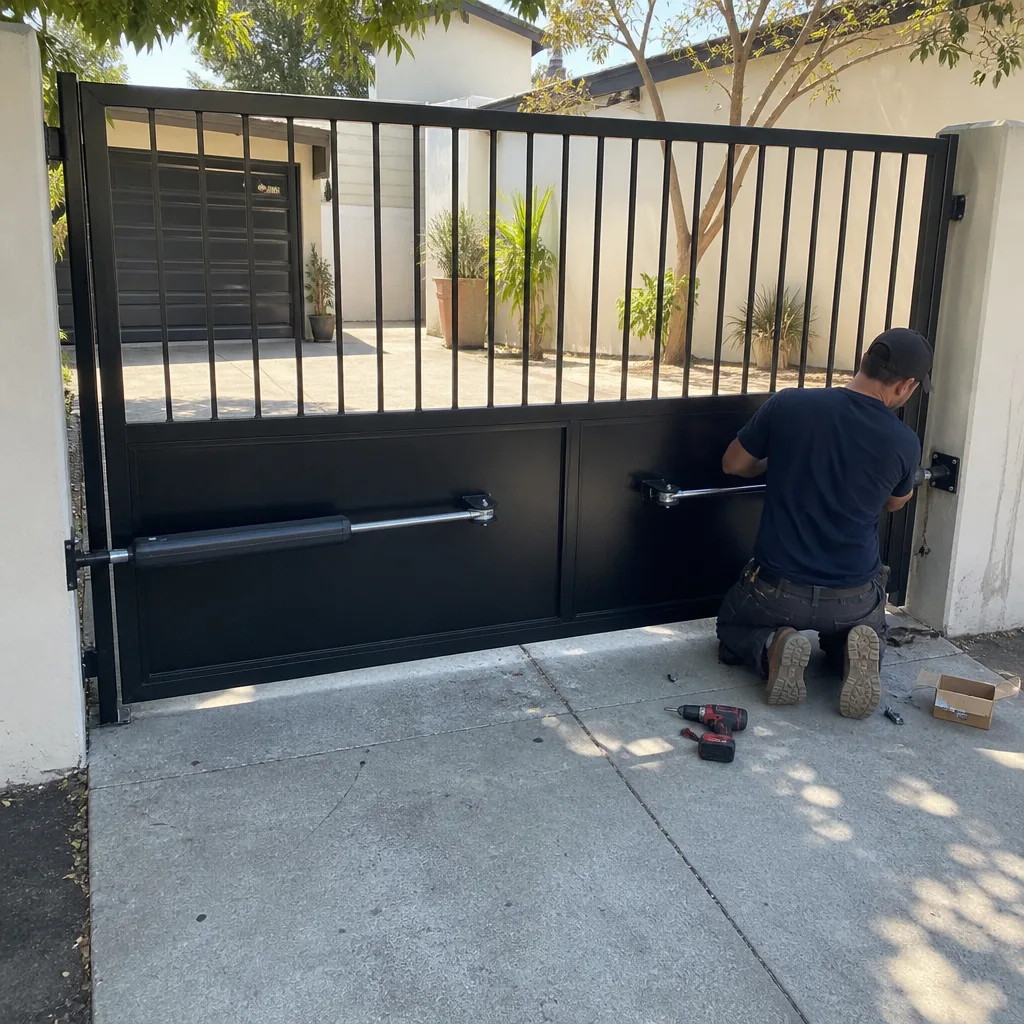 After
AfterGate Motor Replacement Cost in Woodland Hills
When the warning signs have been ignored and the motor has failed, the next question is usually cost. Here are honest price ranges for the types of our Gate Repair services we do in Woodland Hills. These are market prices, not quotes, and every job is different, but they will give you a realistic starting point.
| Repair Type | Typical Range in Woodland Hills |
|---|---|
| Photo-eye replacement or realignment | $150 – $350 |
| Limit switch replacement or adjustment | $180 – $400 |
| Hinge replacement (single hinge, swing gate) | $250 – $600 |
| Wheel or roller replacement (sliding gate) | $200 – $500 per wheel set |
| Capacitor replacement | $150 – $300 |
| Control board replacement | $400 – $1,100 depending on brand |
| Full operator (motor) replacement | $1,200 – $3,500 installed |
| Complete gate and operator installation | $4,000 – $12,000+ depending on size and materials |
Brand matters more than most people expect. A DoorKing control board is generally less expensive than a Viking board, and a Linear arm operator is usually less than a FAAC hydraulic. When you call for a quote, have the operator brand ready. It is printed on the housing or visible on the control board inside. The phone estimate gets a lot more accurate when the shop knows what they are working on. If you need a deeper dive, we have a full guide to gate motor repair in Woodland Hills that covers brand-specific failure patterns.
Common Mistakes to Avoid
- Lubricating a grinding hinge and calling it fixed. Grinding means metal has already worn. Grease quiets the symptom for a few days and then the grinding returns, often worse, because the grease held abrasive particles against the worn surface. The hinge needs replacement or bushing, not lubrication alone.
- Adjusting the limit switch to “fix” an overtravel problem without finding the cause. Limits drift because something moved: a sprocket slipped, a chain stretched, a mounting bracket shifted. If you re-set the limit without finding the cause, the underlying problem continues and the limit will drift again.
- Keeping spare remotes programmed forever. When a remote fails, test the others individually. A single bad remote can interfere with the whole system. If you have remotes from previous owners still programmed, delete them. Every programmed remote is a potential entry point.
- Ignoring a slow gate because “it still works.” The motor is working harder than designed, and the failure curve is not linear. It will work until it does not, and the final failure is usually more expensive than the repair that would have prevented it.
- Replacing the operator without fixing the gate. If the hinges or wheels are worn when the new operator goes in, the new motor inherits the resistance. We have seen new operators fail inside a year because the mechanical problems were never addressed. Replace the worn parts and the operator together, or fix the gate first.
- Doing your own board work without killing the breaker. A gate operator runs on line voltage. The control board is low-voltage, but the incoming power is not. More than one homeowner has been shocked reaching into an operator housing with the power on. Kill the breaker, verify it is dead, then work.
- Paying for a repair without a written price. If the technician cannot give you a written number before the work starts, you are funding their diagnostic process. A professional shop quotes the job before the tools come out. The price should not move at the door.
When to Call a Professional
You should call a gate technician when any of the stop-today signs appear, when a scheduled-repair sign has persisted for more than two weeks, or when you have a video clip you cannot interpret and the gate is behaving differently than it did last month. Do not open the operator housing if you are not comfortable working around line voltage. Do not attempt spring or counterweight adjustments on your own. Do not replace a control board from a YouTube video on a gate you depend on for security. A gate is a heavy, powered machine, and the consequences of a bad repair are a damaged operator, a bent gate, or an injury.
Carver Gate Repair Woodland Hills offers free estimates in Woodland Hills. Call (650) 719-7207 and describe what you are seeing and hearing. If you have video, we will ask for it. The estimate is free, the price is written before work starts, and every repair carries a written one-year guarantee. Lonnie Burke runs the Woodland Hills operation, and the crew works to The Garrison Standard: written prices, background-checked technicians, and a 365-day guarantee on every repair.
Frequently Asked Questions
Most gate repairs in Woodland Hills run between $150 and $600 for component-level work like photo-eyes, limit switches, capacitors, and single hinges. Control board replacement runs $400 to $1,100, and a full operator replacement runs $1,200 to $3,500 installed. The exact number depends on the operator brand and whether mechanical work is needed alongside the electrical repair. Call (650) 719-7207 for a written quote with no charge for the estimate.
A gate that hesitates before opening is usually a motor working against abnormal mechanical resistance, most often worn hinges, dry wheels, or a binding gearbox. The motor is pulling higher current to overcome that resistance, and the heat from that current will eventually burn out the operator. The fix is usually mechanical, not electrical, and it is less expensive when caught before the motor fails.
Ghost activation is usually caused by a failing photo-eye, a loop detector picking up interference, a stuck remote button, or a control board with a failing input circuit. It is rarely an intrusion. Check the photo-eyes and every remote first. If the behavior continues, the board or loop detector needs professional diagnosis.
A properly maintained gate operator in Woodland Hills should last 10 to 15 years. Gates on sloped driveways, gates subject to constant wind loading, and operators in west-facing housings with direct afternoon sun tend to fail earlier. Annual lubrication and cleaning of hinges, wheels, and tracks extends the useful life of both the gate and the motor.
Yes, for most component-level repairs. Hinges, wheels, photo-eyes, limit switches, and capacitors are common in-stock items, and a technician can often complete the repair in one visit. Full operator replacements and custom gate installations require ordering and scheduling, but the quote is still free and the price is written before any work begins.
One-directional grinding usually means the wear is on a single surface. On a swing gate, it often points to a single hinge with play or a sag in the gate that loads the hinge differently in one direction. On a sliding gate, it can mean a wheel or track section that binds only under opening load. Film both directions and send the clips to a technician: the asymmetry is itself diagnostic.
The Bottom Line
A gate does not fail silently. It grinds, hesitates, hums, drifts, and thumps before it quits, and each of those signals points to a specific component with a specific repair window. The homeowner who learns to read those signals catches a $300 hinge repair before it becomes a $2,500 operator replacement. The homeowner who ignores them pays for the lesson. In Woodland Hills, where heat, dust, wind, and hillside grades all load gate systems, the warning signs arrive earlier and should be taken more seriously. Learn the sounds, film what you hear, and call a professional before the gate makes the decision for you. For related reading, see more guides & resources on gate maintenance and repair.
If your gate is showing any of the signs in this guide, call (650) 719-7207 for a free estimate. We serve Carver Gate Repair Woodland Hills home market with written pricing, background-checked technicians, and a full-year guarantee on every repair. The price is always agreed before the work starts, and the gate is always done right the first time.
Written by Lonnie Burke, Owner at Carver Gate Repair Woodland Hills, serving Woodland Hills since 2008.